JeuxFC takes place on Treaty 4 territory, on the ancestral and traditional lands of the Nêhiyawak (Cree), Anihšināpēk (Saulteaux), Dakota, Lakota, and Nakoda peoples, and the homeland of the Métis Nation.
We recognize and honour the Indigenous peoples who have cared for these lands for generations, and we are committed to building relationships rooted in respect, reconciliation, and community.
En célébrant la diversité et en cultivant la construction identitaire des jeunes, les JeuxFC contribuent à la vitalité des communautés d’expression française au Canada.
Amitié, réseautage, collaboration
Appartenance, identité
Créativité, équité, inclusivité
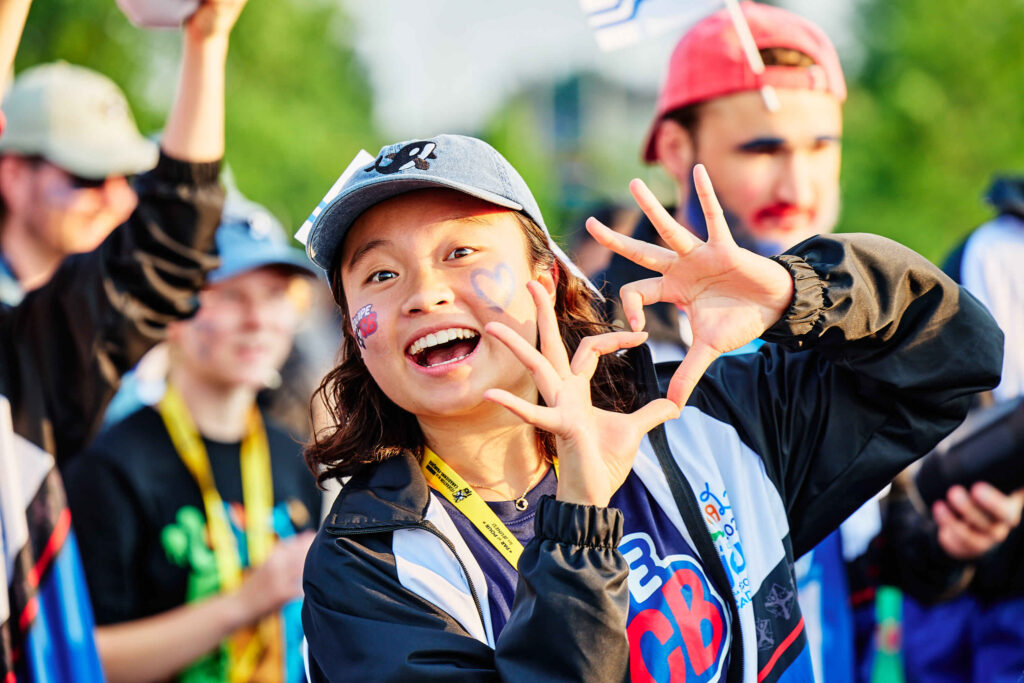
Results of the survey (Research Summary) conducted by the Canadian Institute for Research on Linguistic Minorities (CIRLM) and the Fédération de la jeunesse canadienne française (FJCF) on the impact of the 2017 Moncton-Dieppe Canadian Francophonie Games on participants, entitled “The Canadian Francophonie Games: Transcendence, Identity, and Engagement of French-speaking Youth in Canada.”
This study follows up on research conducted in 2008 by the Research Centre for Sport in Canadian Society at the University of Ottawa.
The Canadian Francophone Games are among the largest gatherings of Canada’s French-speaking youth. In addition to encouraging hundreds of young people to exercise their talents in one of three sectors (art, leadership and sport), the Games showcase cultural pride, self-confidence and leadership abilities in a friendly, competitive setting.
The Games, the perfect moment to live your Francophonie.
The Games an opportunity to develop your cultural identity.
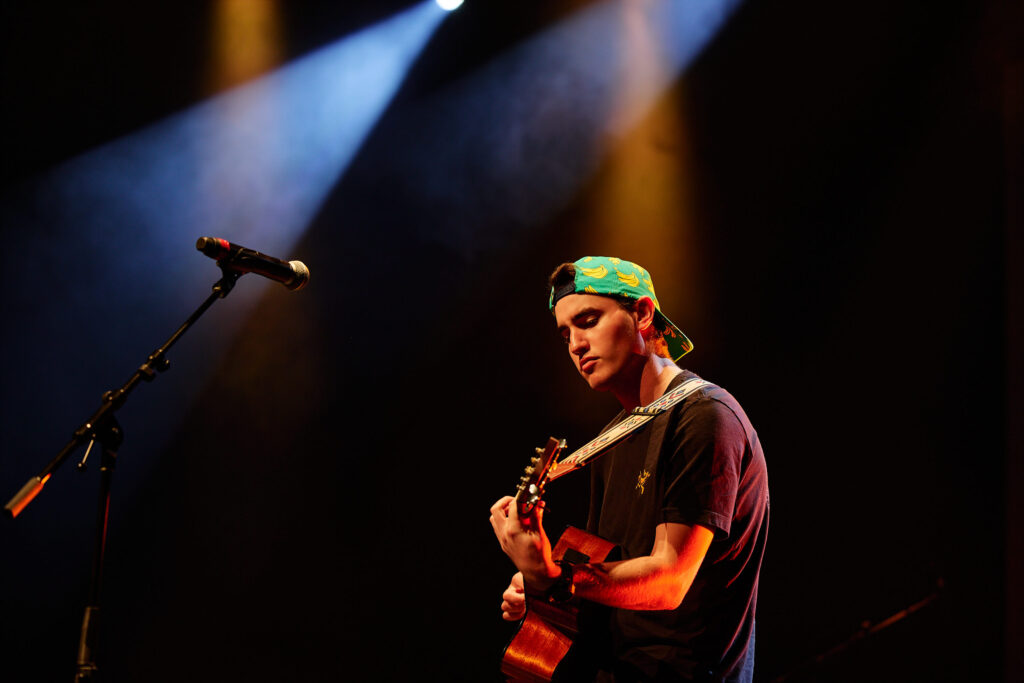
The Games inspire youth to get involved in their community, in French.
In the 1990’s, the Vision d’avenir report is released. The importance of practicing artistic, leadership and sport activities in French, as a means of promoting the development and preservation of the French Canadian culture, is underlined. The French Canadian Youth Federation responded with the Canadian Francophone Games concept.
In 1994, the first hurdle is cleared as many governmental partners, one of which being Canadian Heritage, show interest in sport and leisure activities targeted to francophone youth in Canada. The FJCF continues to lobby for support and works at planning the Games.
In 1999, the announcement of the Canadian Francophonie Year becomes the final catalyst to launch the Games.
| Past Ganes | Host Cities |
|---|---|
| 2028 | Regina (SK) |
| 2025 | Laval (QC) |
| Cancelled due to the COVID-19 pandemic | |
| 2017 | Moncton-Dieppe (NB) |
| 2014 | Gatineau (QC) |
| 2011 | Grand Sudbury (ON) |
| 2008 | Edmonton (AB) |
| 2005 | Winnipeg (MB) |
| 2002 | Rivière-du-Loup (QC) |
| 1999 | Memramcook (NB) |